Part of Becoming a Safer Congregation
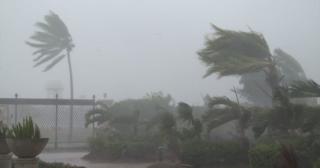
While church shootings are statistically rare, other emergencies – fires, weather related damage or disaster, medical events– are more likely. Rev. Aaron Payson, one of the founders of the UU Trauma Response Ministry, estimates that less than 20 percent of UU congregations have a broad safety plan in place to address emergency preparedness or the possibility of an active shooter scenario. Many of those policies were written after experiencing a traumatic or emergency event, not before. And our congregations across the country have experienced all types of these events:
- Colorado UUs dry out from epic flood
- As fires spread in California, church doors stay open
- Hurricane Katrina Coverage
- The Tennessee Valley Unitarian Universalist Church Shooting
In all these examples, each congregation was in a different place in terms of preparedness. Our congregations are made up of people. “The Congregation” can’t respond in a time of emergency if the families, the people, aren’t taken care of. Often chaos can enter when the plan is being created in the moment.
There are three levels of preparedness that congregations should consider:
For the Congregation
Congregations can take some basic steps in assessing and preparing for emergencies to be better able to serve their people and communities during and after a disaster. While we cannot prepare for every possible “what if” scenario, we can prepare for the more likely, high impact risks specific to the region or area. Is your congregation more likely to have wind damage, flood damage, wildfire damage, train derailment, or other natural disasters? Plan for the ones most likely, and you will have the structure in place to adapt to other disasters, too.
With a clear picture of both the risks and resources available, you can see the gaps between what you have and what you need. Now you can start planning how to fill those gaps, either through acquiring needed resources or forming mutual alliances that allow you to work together for the common good.
Intentional preparation for disaster requires attention to many details:
- keeping insurance policies updated (personal and congregational)
- creating communication plans (personal and congregational, encouraging members to stock emergency supplies at home
- keeping the congregation’s building and grounds maintained
- building community relationships.
Planning at the congregational level is more involved, but you can do it in bite-size chunks over time based on your chosen priorities. Maybe you’ll want to start by planning how to handle various emergencies that might arise during a worship service or other event on your property. Maybe you’ll want to make sure your facilities are safe and equipped to be a refuge in the event of a community disaster.
For the Home
Helping our congregants develop their own emergency plans for home, providing resources and carving out time and space to create their plan is actually the first step in congregational emergency preparedness. The more prepared our people are in the case of an emergency, the more prepared they will be to be a part of any congregational relief effort that helps not just the congregation, but the overall community. Our families need to be prepared if we hope to help others when they need it most. If our members not ready, they will be too busy caring for their own needs to be available to minister to others.
One of the most important aspects of personal planning is to create a communication plan for your family. Knowing how you will contact each other and where you will meet if you are separated when disaster strikes will reduce one of your biggest concerns.
Resources for the Home
- From Ready.gov:
- Make a Plan
- Build A Kit; how to create a disaster preparedness kit
- From wikiHow: Be Prepared for Natural Disasters
For the Community
In the aftermath of a disaster, people turn to their local communities for support. For our congregations, this means that you can choose how you want to be a resource to your local community. Do you have the ability to provide shelter, food, water, and other amenities? What else might your local community need—and how do you want to be part of the solution.
You may want to establish relationships with other congregations and local organizations to identify how your congregation can fit into the broader response plans of your community. Congregations play a crucial role for the community in times of crisis. People will be turning to your congregation whether you are prepared or not.
Contact your local chapter of the American Red Cross, and also research whether your community has a disaster preparedness plan that you can join.
Find additional emergency preparedness resources in the Emergency Planning Guide.