Part of Becoming a Safer Congregation

Background checks help you create safe congregations for children, youth, and vulnerable adults.
Abuse of children, youth, and vulnerable adults is a horrific reality in our society, and Unitarian Universalist congregations are not immune. The unfortunate truth is that abuse has occurred in our own congregations. Congregational leaders—paid and volunteer—know at a gut level that we have a responsibility to be proactive in preventing such tragedy. And we do.
What’s Recommended?
- Every person who works with children, youth, or vulnerable adults should complete a fairly standard Application and Disclosure Statement form (PDF) that consists of:
- an “Application for Paid or Volunteer Employment”
- a “Voluntary Disclosure Statement”
- an “Authorization and Release” statement.
This allows a search committee, personnel committee, or other appropriate body to request and receive information that may have relevance to the safety of children, youth, or vulnerable adults.
- Congregational leaders (search committees, personnel committees, others) require and arrange for criminal background checks for all paid staff in their congregation and for volunteers working with children and other vulnerable people.
- While you can use any company you wish to complete a background check, the UUA has worked with:
- GuideOne Insurance Company
1111 Ashworth Road
West Des Moines, IA 50265-3538
(877) 448-4331 - Oxford Document Management Company
655 West Highway 10
Anoka, MN 55303-1623
(800) 801-9114 - Trusted Employee (A partner of Church Mutual)
7900 W. 78th St. Suite 400
Edina, MN 55439
(888) 808-8350
- GuideOne Insurance Company
Background and Reference Checks Are Crucial
Conducting background checks and reference checks on current and future congregational volunteers and staff are critical. The increased use of background checks and reference checks by agencies that work with children often means sexual mis-conductors are attracted to institutions that don’t conduct checks. Congregations across the nation are perceived as trusting and welcoming and thus are vulnerable to those seeking easy access to children, youth, and vulnerable adults.
Interpretation and Evaluation
A committee in receipt of information about a person that is cause for concern should consider the information in the context of the person’s candor with the committee, previous steps taken by the person and others to address the issue, and steps taken to address whatever consequences it may have had for others and to prevent future problems.
Lack of candor or honesty on an application form—e.g., a denial of any criminal convictions when a background check reveals otherwise—should result in rejection of the applicant or termination of the employee.
When a person has a criminal conviction history, the impact of such a conviction history may vary depending on the unique circumstances presented in each case. For instance, the hiring authority must consider the nature of the crimes committed and their relationship to the job in question. The hiring authority must also evaluate whether the person could perform acceptably in spite of the conviction or whether the person can adhere to certain clear agreed upon limits or boundaries to their activities within the church community. Thus, the hiring authority should consider a person’s efforts at rehabilitation, work record, and the remoteness in time of the conviction. These factors may provide facts to support a decision to hire a person despite his/her conviction history.
When the News Is Bad
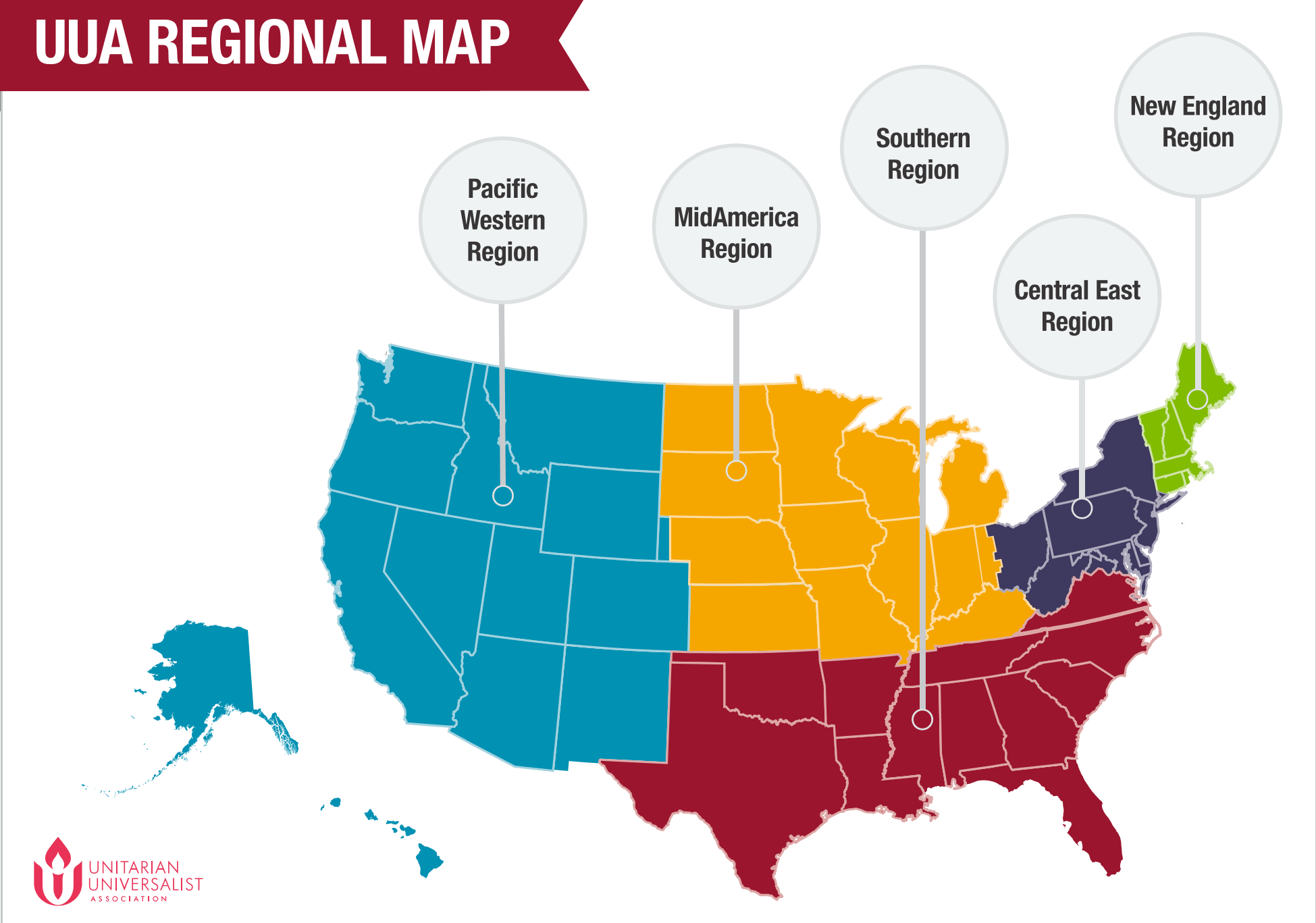
There will be occasions—may they be rare!—when the results of the criminal conviction check rule the person out of consideration. Do not avoid the difficult conversation that must take place. Reach out to regional staff for assistance. In dealing with the negativities sensitively, even tenderly, while no less firmly, we affirm ourselves and our faith communities as both compassionate and responsible.
Living, as we must, in the world as we find it, sometimes the best we can hope for is an environment in which misbehavior is named, consequences exacted, rehabilitation encouraged, and recovery respected, and in which covenants are authentic compounds of realism, respect, and redemption.
Additional Information
- National Domestic Violence Hotline
- The 2005 Responsible Staffing Screening Practices Report (PDF, 14 pages) helped to shape current safety practices and articulated the need for requiring background checks.