
Tapestry is Sunsetting
The UUA is no longer updating Tapestry of Faith programs.
Part of Families, Jr. High School
-
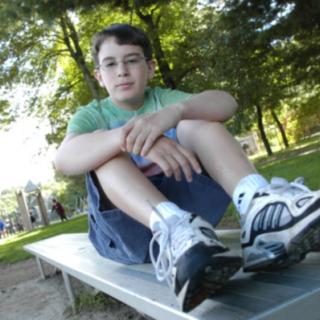 BalanceFrom Families
Balance is created by an arrangement of elements (including space) that is visually satisfying. Symmetrical and asymmetrical designs can work. Sometimes a lack of balance is easier to notice. Some photographers use “a rule of thirds” to create balance in a photograph. Visualize the frame as…
-
 Balance Part 2From Families
The viewer’s eye moves easily from the track shoes in the foreground into the photo, creating a sense of balance. Meaningful props in a photo help tell a story. The emphasis on the track shoes suggests this youth is a runner. What makes this photograph feel balanced? In this photograph, the left…
-
 Balance Part 3From Families
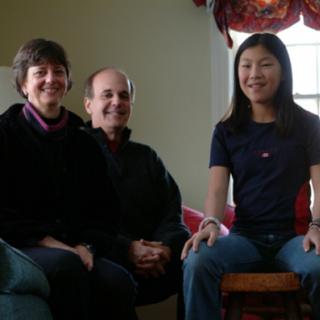
The balance of people or elements in a photo can create different feelings. The angle and placement of the members of this family make the youth look more dominant than her parents. How does this arrangement achieve or not achieve balance?…
-
Consent FormFrom Families
Youth enrolled in our congregation’s lifespan faith development program are participating in a program called Families. The program looks at families through the lens of our UU Principles and aims to broaden and deepen respect, appreciation, and care for different kinds of families….
-
Evaluating PhotographsFrom Families
Use the following questions to evaluate the photographs you took of the families. Does this photograph seem to “capture” its subjects? What do you like about the photograph? Overall lighting: Does the lighting add or detract from the photograph? Focus: Is it clear?…
-
Family Facts and FiguresFrom Families
These statistics were gathered by Groundspark. Millions of children are raised by single or divorced parents, grandparents, guardians, parents of different religions or races, gay or lesbian parents, or adoptive parents. What do American families look like today? Single Parents Single parents…
-
Family MattersFrom Families
Each small group needs one set of “How” statements that has been cut into strips, as well as three or four blank strips….
-
Family ScenariosFrom Families
Assign a family member role to each member of your group, and plan two role-plays. The first role-play can demonstrate the way you think the family would most likely react. Or it can demonstrate, with humor, a disastrous family response….
-
 FramingFrom Families
These materials are designed to support Workshop 4 of Families. All photographs are the property of the Unitarian Universalist Association and may only be used in conjunction with the Families Program. Photography Supplement Framing Photography is the property of the Unitarian Universalist…
-
Framing Part 2From Families
The greenery and shadows in the background frame the family and increase the sense of forward motion in this photograph. Here framing works. It is visually appealing and communicates a feeling of fun. In this photograph the participants look constrained by the setting, not framed.
-
 Framing Part 3From Families
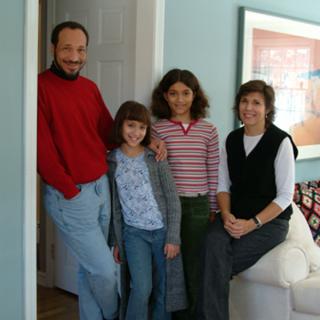
The diagonal and vertical white lines in this photograph frame the family. Is the framing effective?
-
Interview with Hanne BlankFrom Families
Excerpt from an interview conducted and published by Advocates for Youth (permission pending). June 22, 2001,10:30 a.m. Hanne: Well, not only have I been a musician, historian, and writer, I’ve always been a fat person….
-
Is That a Family?From Families
Are the following groups families or not? You decide. Snow White and the Seven Dwarfs An eighteen-year-old living alone One youth, two households: one with a mother, stepfather, and sister; and another with a father A foster child living with two children and a dad A woman and her two children…
-
Letter to Youth and Their FamiliesFrom Families
Please review this with your family and return during the next session. Dear Youth and Parents/Caregivers, We are starting our program, Families, which explores the diversity of families through activities and a creative project. As part of the program, youth will work together on a…
-
 LightFrom Families
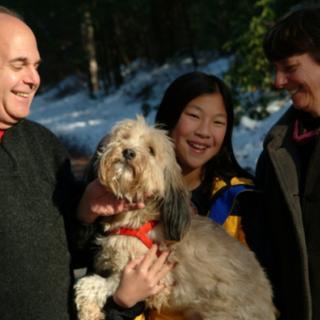
Lighting influences the quality and feel of photographs. Lighting affects how the viewer’s eye moves toward or away from different elements of the photograph. How does lighting work in this picture? Consider where the light is coming from. Is there enough light? Is there too much light? Outdoor…
-
 Light Part 2From Families
Sidelights can create artistic effects that may or may not be desirable. Lighting influences the quality and feel of photographs. How would you compare the quality of these two photos?
-
 Light Part 3From Families
Backlight makes these subjects appear to “glow.” Stronger backlight could cause loss of detail in their faces and require a flash to bring out facial features. Shadows create different values and interesting effects. Contrasting values of light and shadows result in a moody quality in this…
-
Participant Feedback FormFrom Families
Please complete and return to a Families leader. 1. What is your overall rating of the program? Circle one. Excellent Good Average Fair Poor Comment: 2. What is your overall rating of the photo-documentary project? Circle one. Excellent Good Average Fair Poor Comment: 3….
-
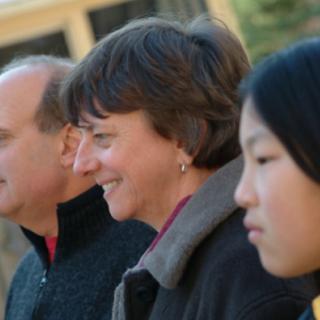 Point of ViewFrom Families
Moving around the subject while looking through the viewfinder of the camera, the photographer determines the most appealing and effective perspective. Here the photographer is shooting from the side, creating an interesting perspective….
-
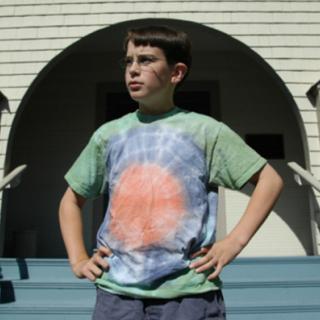 Point of View Part 2From Families
Background elements elaborate this “looking up” perspective. The point of view chosen by the photographer influences the aesthetics and mood of the photograph. Both point of view and framing are at work in this photograph. Moving around the subject, the photographer is able to capture different…
-
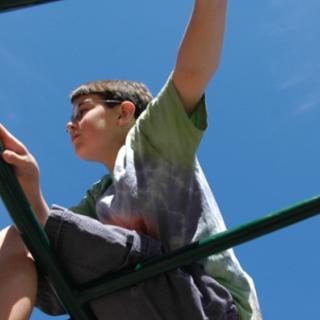 Point of View Part 3From Families
How does this photograph feel different and/or the same as the previous one? Sometimes a “straight-on” point of view can create an effective photograph. Shooting a photograph from the wrong angle can create the impression that the subject has an object sticking out of his/her head.
-
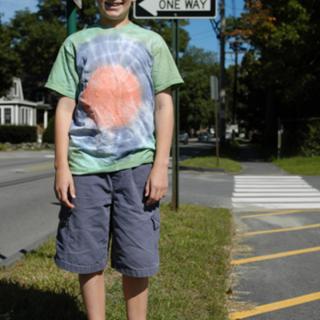 Point of View Part 4From Families
The same and different from the previous photograph… The photographer shot this from slightly above. The point of view influences the quality and feel of the photograph.
-
Writing Poetry Some MethodsFrom Families
Method One: Writing a Tercet In a tercet, every other line rhymes. A tercet is a form of poetry that has three-line stanzas in which the first and third lines rhyme. The second line is a blank, unrhymed line. Most poets string multiple tercets together to form a poem….